If you inherit teams rather than design them, and you have watched a team you had strong faith in stall at the exact moment a call needed to be made, this piece is for you. The problem was not commitment or capability. It was a behavioral gap that normal operating conditions were hiding, and the fix is architectural, not personnel.
The weather cleared at 11pm.
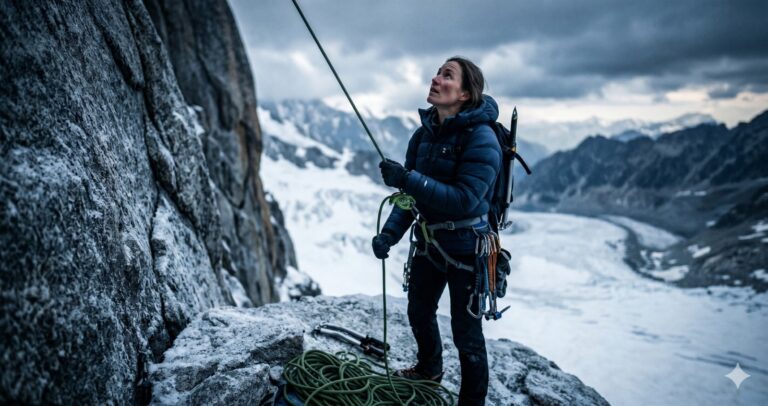
I have been on enough expeditions to know what that moment requires. Someone looks at the conditions, makes the assessment, and says “we go at 2am.” Not a discussion. A call. The window is there, the team is ready, the decision needs to be made and owned by one person who is willing to be wrong about it.
On this particular expedition, that person wasn’t there.
Not because the team lacked experience. Not because they lacked information. Because the behavioral composition of the team, through no fault of anyone’s planning, simply the result of who was available, who had the skills, who could get the permits, did not include a natural decision-caller. What it included was two people who needed more data before committing, one person who would support whatever the group decided, and one person who was enthusiastic about going but kept framing it as a question rather than a call.
We discussed it until 1am. We went at 2am. We lost an hour of the window. We summited, but the descent was harder than it needed to be.
The behavioral gap cost us an hour. In different conditions, it could have cost more.
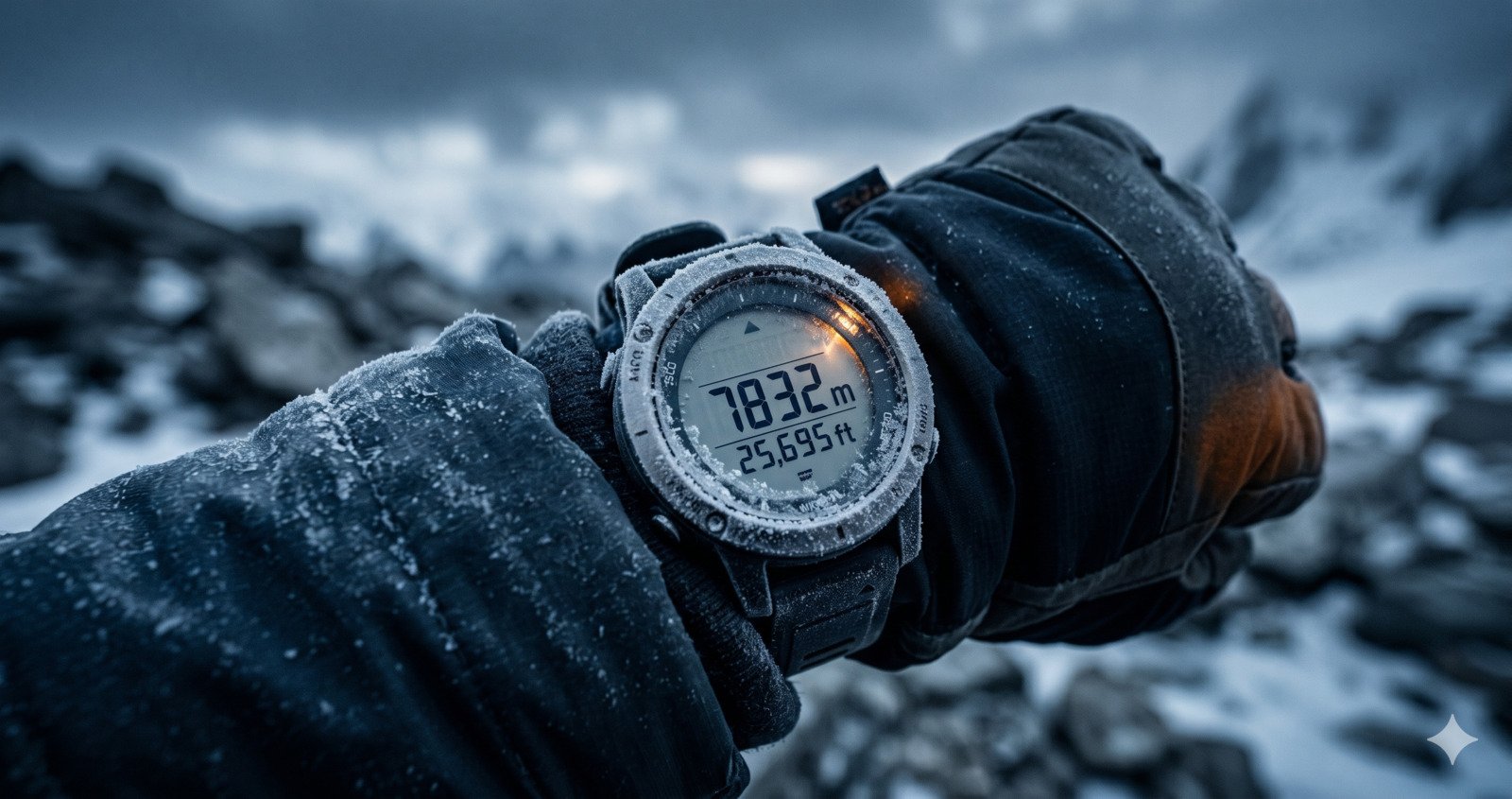
This is what I mean by the altitude test. Not the physical demand, though that is real. The specific diagnostic that extreme environments run on every team. They reveal, with a precision that normal operating conditions cannot match, which behavioral tendencies become assets under pressure and which become liabilities.
What the four types look like at altitude
The behavioral diversity literature, every personality typing system in corporate use, makes the same prescription. Build balanced teams. The diversity of behavioral approach produces better decisions.
This is true. It is also largely useless advice for most leaders, because most leaders do not design their teams from scratch against a behavioral composition checklist. They inherit teams. They hire for functional competence and get whatever behavioral profile comes with the skills they need. The behavioral composition of the team is a consequence of those decisions, not a primary input to them.
So the more honest and more actionable question is not “do you have a balanced team?” It is: given the team you have, what will happen to each person’s behavioral tendencies when the environment removes the buffers that make those tendencies manageable?
At altitude, literal or organizational, the buffers come off. The social lubricant that smooths over gaps in normal conditions evaporates. What remains is the behavioral default, unmediated and amplified.
The Driver, competitive, determined, purposeful, is the person who calls the summit window. Under normal pressure, this is an asset. At altitude, the same tendency produces summit fever. The compulsion to commit past the turnaround time, to push through the signals, to treat the goal as more important than the conditions. The asset and the liability are the same behavioral tendency in different conditions.
The Analytical, cautious, precise, questioning, is the person who catches the error in the plan. Under normal conditions, this is the quality control function every team needs. At altitude, the same tendency produces decision paralysis. The inability to commit without certainty in an environment where certainty is not available.
The Amiable, caring, patient, encouraging, is the social infrastructure of the team. They maintain the tent ecology. At altitude, the same tendency produces concern suppression. The person most likely to hold the signal that would have turned the team around, because voicing it would disrupt the harmony they have worked to maintain.
The Expressive, enthusiastic, persuasive, dynamic, is the energy that sustains morale on the long approach. At altitude, the same tendency masks deterioration. The person whose enthusiasm becomes the team’s primary reality, suppressing the accurate assessment of conditions.
None of these is a character flaw. All of them are behavioral defaults that serve the team well in most conditions and become specific liabilities in specific conditions. The altitude test reveals which condition you are in.
“At altitude the buffers come off. The social lubricant that smooths over gaps in normal conditions evaporates. What remains is the behavioral default, unmediated and amplified.”
The compensation architecture
Knowing your team’s behavioral composition is only useful if you can change it. Most leaders cannot. What they can do is design compensations. Structural interventions that provide what the missing behavioral type would have provided naturally, without requiring that type to be present.
No Drivers means nobody naturally calls the window. The compensation is a decision protocol. Before the pressure arrives, the team agrees on a specific decision point, a specific moment, and a specific person who will make the call and own it. The protocol replaces the behavioral default.
All Drivers and no Analyticals means the team moves fast and misses signals. The compensation is a mandatory assessment ritual. The Pre-Mortem, the Update Trigger, that replicates the Analytical’s natural function. You build the pause into the process because nobody’s behavioral default will produce it.
No Amiables means the tent ecology degrades faster under pressure. The compensation is explicit check-ins with a specific protocol. Not “how is everyone?” but the structured conversation that the Amiable would have been running informally.
All Expressives and no Analyticals means enthusiasm is high and signal-to-noise is low. The compensation is a structured dissent moment. A dedicated space in every significant meeting where the question is specifically “what are we not seeing?”
The compensation architecture is built before the pressure arrives. Not during. Before.
The honest prescription
The useful version of the behavioral diversity conversation is not “build balanced teams.” It is: audit the behavioral gaps in the team you have, identify which gaps will become dangerous under the specific pressure conditions your team will face, and build the structural compensations before the pressure arrives.
The team that does this audit before the climb designs the decision protocol for the window-calling gap, the mandatory assessment for the missing Analytical, the explicit check-in for the absent Amiable. They have thought about what happens when the buffers come off.
The team that doesn’t do the audit discovers the gaps at altitude, when the options for compensation are limited and the cost is highest.
The weather doesn’t care what behavioral types you have. It only cares whether someone calls the window.r doesn’t care what behavioral types you have. It only cares whether someone calls the window.
THE TEAM TEST
Look at the team you currently lead. Not the team you would design, the team you have.
Now run the altitude test. Imagine the highest-pressure condition your team is likely to face in the next six months. When the buffers come off and the behavioral defaults are all that remain, what happens?
Who calls the window when it needs to be called? If the answer is nobody, what is the protocol that replaces that function?
Who catches the error in the plan before it becomes a commitment? If the answer is nobody, what is the structural moment that replicates that function?
Who holds the team together when the pressure is highest? If the answer is nobody, what is the explicit check-in that provides what they would have provided naturally?
The compensation architecture is built before the pressure arrives. What is yours?