If your team is running its third, fifth, or tenth version of the same initiative and the pre-launch checks feel more like ritual than inquiry, this piece is for you. What you have is not experience serving you. It is a stored model running in place of the actual inputs, and the failure it produces is specifically the kind experience should have prevented.
The twelfth time is the most dangerous.
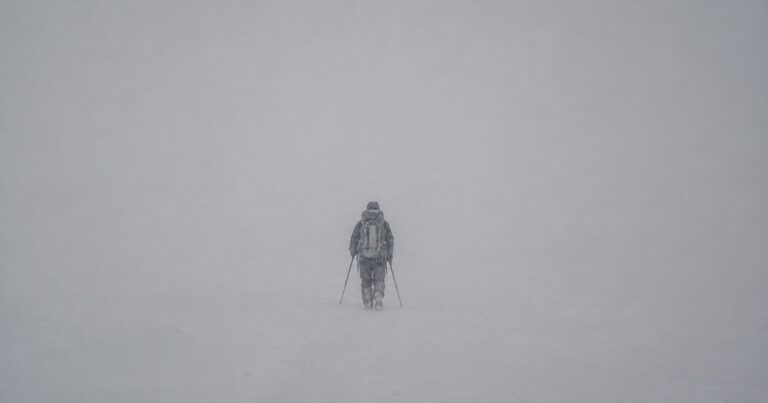
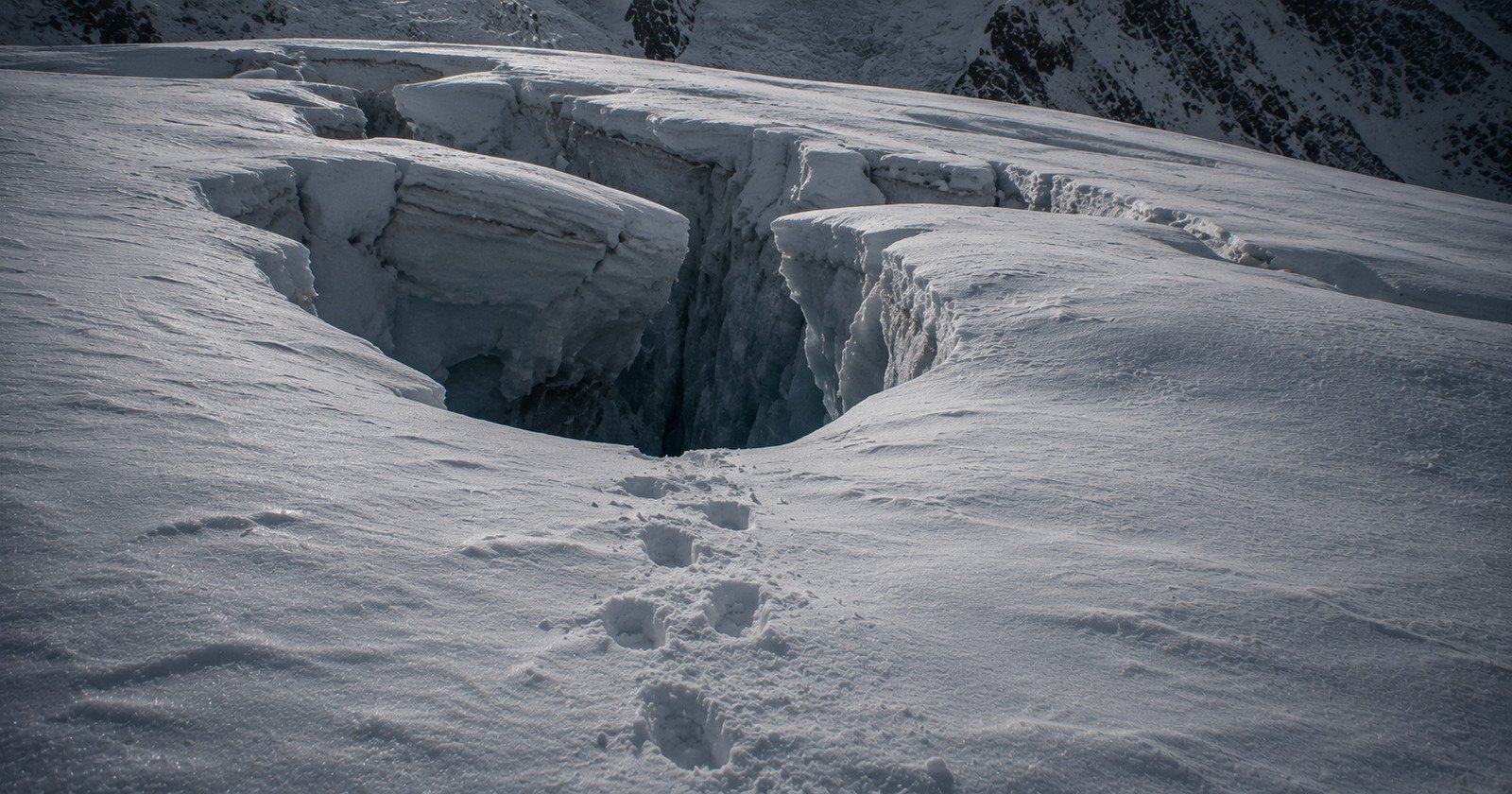
Not because the mountain has changed. Rainier is largely the same mountain each time. The same glaciated flanks, the same crevasse fields in approximately the same locations, the same altitude that produces the same physiological effects on the same human body. The objective hazards are comparable. What has changed is you.
By the twelfth ascent you no longer see the route. You recognize it. And recognition, which feels like competence, is a different cognitive operation entirely. One that has traded the vigilant processing of actual conditions for a shortcut to the pattern stored from previous iterations. You stop checking the anchor because it has always been solid here. You stop reading the snow surface because you know this section. You move through the terrain on a kind of informed autopilot that your nervous system has helpfully constructed to reduce the cognitive load of a now-familiar environment.
The mountain, which has no opinion about any of this, continues to present the actual conditions.
I have watched experienced guides make mistakes on routes they knew cold that no competent first-timer would make on the same terrain. Precisely because the first-timer was still processing the mountain as real information rather than navigating it as a recognized pattern. The beginner’s anxiety keeps every sense sharp. The expert’s competence, paradoxically, is what creates the exposure.
This is not an argument against experience. It is an argument about what experience does to attention, and what vigilant operators do about it.
What familiarity actually does
Familiarity is a compression algorithm. The brain, confronted with a sequence of inputs it has successfully processed before, builds a stored pattern and runs the pattern rather than the inputs. This is enormously efficient and largely correct. It is also the mechanism that causes experienced pilots to make errors on familiar runways that they would never make on unfamiliar ones.
The compression works by deciding, implicitly, which inputs require full processing and which can be handled by the stored model. In a familiar environment, the list of things that require full processing shrinks dramatically. You process the things that differ from the model. You run the model for everything else.
The danger is not that the model is wrong in general. It is usually right. The danger is that it is specifically wrong in ways the environment is actively communicating, through actual current conditions, and you are not receiving that signal because the model has made it optional.
On Rainier, this looks like: you don’t check the anchor because it has always been solid here. You don’t reread the snow on this pitch because you know how it behaves. You don’t stop to assess the weather building on the summit because it is the same pattern you have seen before. Until it isn’t. And you are moving fast through terrain you stopped reading three ascents ago.
“The beginner’s anxiety keeps every sense sharp. The expert’s competence, paradoxically, is what creates the exposure.”
The corporate familiar route
The twelfth product launch. The sixth annual planning cycle. The third consecutive quarter running the same strategic playbook that produced good results. The team that has shipped together so many times the retrospective is a ritual rather than an inquiry.
These are all familiar routes. And the dynamics are structurally identical.
The pre-launch checklist that gets completed at speed because everyone knows the steps and the steps have always worked. The assumption that the market will respond to this launch the way it responded to the last one because the product is similar. The strategic planning process that reaches the same conclusions through the same analysis because the team has learned what the right answer looks like and works backward from it.
Each of these is the stored model running in place of the actual inputs. And the actual inputs (market conditions that have shifted, team dynamics that have changed, a launch environment that is different in ways nobody has stopped to assess) are going unread.
The veterans on the team have made this particular mistake invisible to themselves. It is the new person on the team, the one who asks “why do we do it this way?” and gets told “because it works,” who is still reading the actual terrain.
“It is the new person who asks ‘why do we do it this way?’ and gets told ‘because it works,’ who is still reading the actual terrain.”
Day one discipline
There is a discipline practiced on Rainier that I have brought into every organizational context since. On the twelfth ascent, you do the full check on every anchor as if it is the first time you have touched this equipment in this location. Not because you doubt the equipment. Because the discipline of the full check is what keeps the model from substituting for the reality.
The check is not about the anchor. It is about the cognitive discipline of treating familiar conditions as current inputs rather than stored patterns.
In practice this looks like: the question you ask in the pre-launch review that you already know the answer to, because asking it keeps the process from becoming ritual. The retrospective you run even when the project went smoothly, because the smooth project has things to teach that the difficult one doesn’t. The market assumption you audit even though it has been correct for three years, because a three-year track record is exactly when the world is most likely to have changed.
The goal is not to generate doubt. It is to keep the channel open between the actual current conditions and the decision-making process. To prevent the model from running in the place of the inputs long enough that you miss something the terrain is actively telling you.
On the mountain, the full check takes ninety seconds. In the organization, the equivalent takes an hour in a planning cycle that runs for weeks. The cost is negligible. The cost of not doing it is the thing you were too familiar to notice until it was too late to correct.
THE TEAM TEST
Identify the familiar route in your current operations. The project type, the process, the team configuration, the market assumption that your organization runs on stored pattern rather than current input.
Now ask: when did you last audit that assumption against actual current conditions rather than against your memory of how it has worked before?
Not the last time you did the process. The last time you read the terrain the process runs on, as if you were seeing it for the first time.
If the answer is unclear, if the most recent audit blurs with the process itself because you can’t remember a moment of genuine fresh assessment, you are navigating the familiar route on the stored model.
The mountain is still presenting actual conditions. The question is whether anyone is reading them.